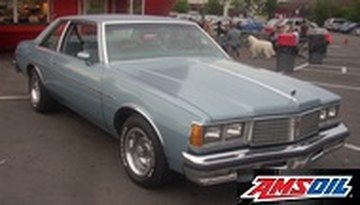
Maintaining Lubrication Standards for the 1981 Pontiac LAURENTIAN 4.3L
Proper engine care for a vehicle of this era requires a focus on consistent monitoring and adherence to specific fluid requirements. For owners of a 1981 Pontiac LAURENTIAN equipped with the 4.3L engine, maintaining the integrity of the lubrication system is a fundamental aspect of long-term mechanical health. Because older engines operate under different thermal and mechanical stresses than modern counterparts, a proactive approach to service is essential.Monitoring Fluid Integrity and Potential Leaks
One of the most effective ways to monitor the health of the 4.3L engine is through regular visual inspections for fluid seepage. Over time, various gaskets and seals may experience changes in elasticity due to heat cycles and age. It is helpful to inspect the area around the engine block and sealing surfaces for any signs of active leakage or dampness. When performing routine checks, look for:- Evidence of oil residue on the underside of the engine or near various component mating surfaces.
- Discoloration or staining on the engine exterior that might indicate slow seepage.
- Changes in the level of fluids during regular checks, which may warrant further investigation.
Observing Changes in Engine Performance
While many maintenance tasks are visual, some indicators of lubrication or engine health are felt or heard during operation. It is important to stay attentive to how the vehicle behaves during different driving conditions. If you notice changes in how the engine sounds or operates, these can be early indicators that something requires professional inspection. Unusual mechanical noises, such as rhythmic tapping or increased friction sounds, should not be ignored. Similarly, if there are noticeable changes in exhaust characteristics—such as smoke that appears differently than usual—it may indicate that the engine is consuming fluids at an unusual rate. It is also important to note any sudden changes in how the vehicle responds to throttle inputs or any unexpected warning indicators on the dashboard. Because these symptoms can be associated with a wide variety of causes, they should be treated as prompts for a thorough diagnostic check rather than immediate conclusions about a specific part failure.Prioritizing Maintenance Based on Current Condition
For an older vehicle like the 1981 Pontiac LAURENTIAN, maintenance priorities should ideally be driven by the actual condition of the machine rather than just the passage of time. If you are stepping into ownership without a complete service history, establishing a baseline is a wise first step. This involves performing a comprehensive inspection of all fluids and major mechanical components to understand the current state of the vehicle. If maintenance records are available, review them to identify when major services were last performed. If no records exist, focus on addressing any active concerns—such as visible leaks or unusual noises—before moving into purely preventive measures. This condition-based approach allows you to allocate resources effectively, ensuring that the most pressing needs are met first. As the vehicle continues to be driven, keeping a personal log of fluid changes, part replacements, and observed behaviors will help you track trends and make more informed decisions regarding future service.Managing Aging Components and Materials
As vehicles age, the materials used in their construction—such as rubber, plastic, and various sealants—can undergo natural degradation. For the 4.3L engine, this means that components like belts (if equipped) and cooling system hoses should be inspected for signs of wear. Look for evidence of cracking, glazing, or fraying on any accessible drive belts. Similarly, check hoses for any signs of softening, swelling, or brittleness. Maintaining the integrity of the cooling system is also a vital part of engine longevity. If the vehicle shows evidence of overheating or if there is visible leakage near the cooling components, these issues should be investigated promptly. Ensuring that all electrical connections remain clean and secure can also prevent intermittent issues that might otherwise complicate mechanical troubleshooting.Effective Strategies for Long-Term Ownership
Successful long-term ownership of a 1981 Pontiac LAURENTIAN involves moving beyond reactive repairs and toward a structured observation routine. This includes:- Regularly checking fluid levels to ensure they remain within the appropriate range.
- Inspecting the area around the oil fill point and drain areas for any signs of contamination or improper sealing.
- Monitoring the overall cleanliness of the engine bay, as excessive buildup can sometimes hide emerging leaks.
- Documenting all service performed to create a reliable history for future maintenance planning.
Practical Guidance for Buying Engine Oil for your 1981 Pontiac LAURENTIAN 4.3L
When it is time to replenish the lubrication in your engine, the most important step is to ensure the product matches the specific requirements of your application. Do not rely on general automotive knowledge or assumptions based on the vehicle's age to select a lubricant. Instead, match the engine oil to the application-specific viscosity information already displayed on this page. Before making a purchase, carefully check the product labeling to verify that the oil meets the necessary standards for your engine. Depending on your specific needs and the current condition of the engine, you may encounter various formulations:- Conventional oils are a standard option for many applications.
- Synthetic blends offer a combination of different base oils.
- Full synthetic oils provide advanced thermal stability and oxidation resistance.
- High-mileage formulations are available and contain additives intended for use in aging engines, including seal-conditioning additives.